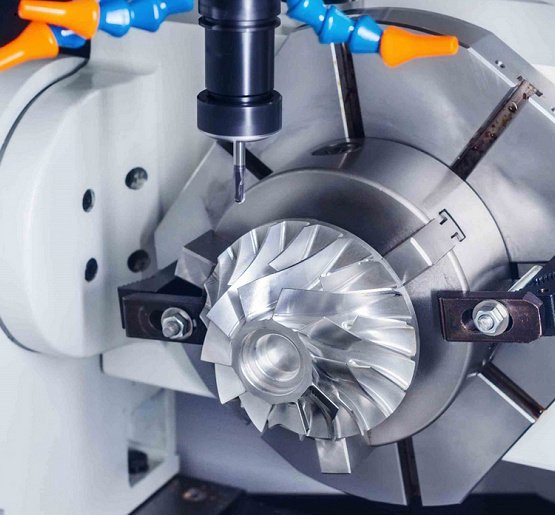
Professional Metal Machining And Prototyping Manufacturer
- Tight tolerance up to +0.002mm
- Surface finishing available
- Fast prototype & low MOQ support
- Engineering review before production
Metal Machining Capabilities
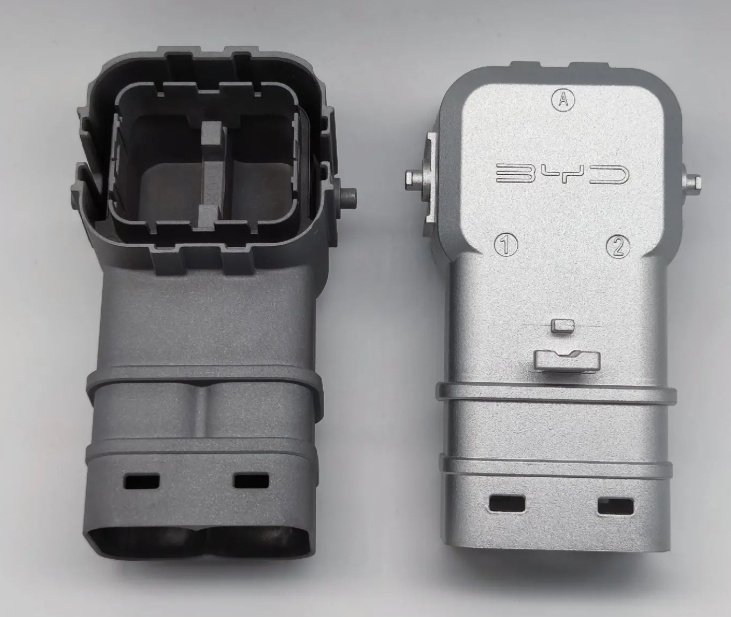
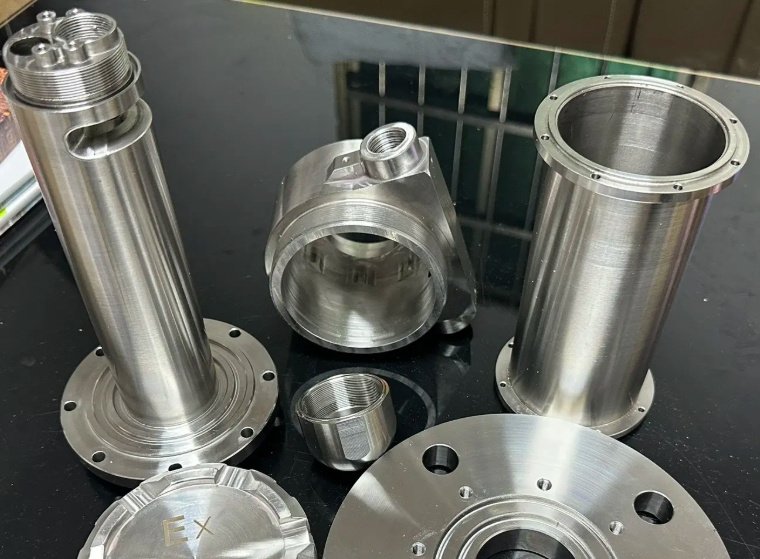
XCM specializes in metal CNC milling, turning, prototyping and multi-axis metal machining, capable of achieving precise tolerances as tight as ±0.002 mm for critical components.

CNC Machining
CNC Milling & Turning
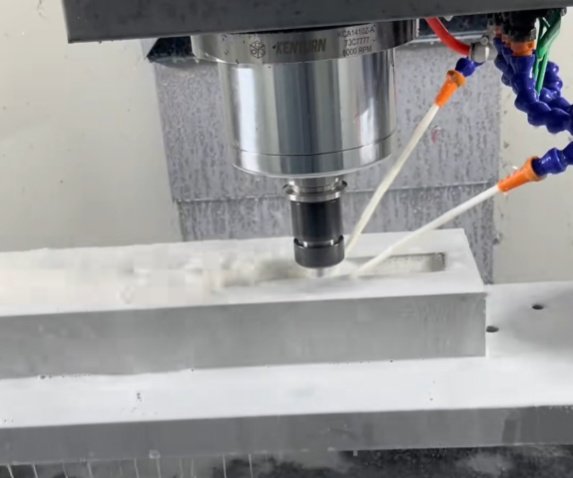
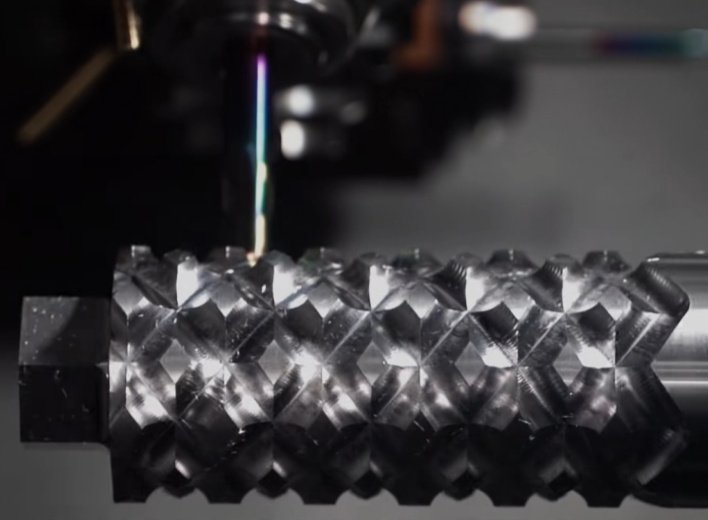
High-precision 3/4/5-axis CNC milling and turning services for complex geometric parts. Supports aluminum, stainless steel, titanium, alloy steel and custom material processing. Strict dimensional tolerance control, suitable for prototype and mass production.
Precision Grinding
Surface grinding, cylindrical grinding and internal grinding for high surface finish and tight tolerance requirements. Achieves low roughness and high concentricity, ideal for shaft parts, mold components and precision mechanical accessories.
Drilling & Tapping
Precision deep hole drilling, spot facing and standard/custom thread tapping. Supports various thread specifications and hole position accuracy, matching diverse assembly and structural connection demands for metal components.
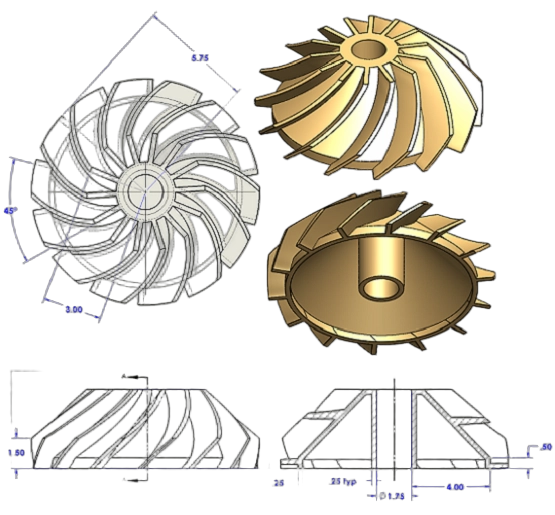
Metal Prototyping
Rapid metal prototyping dramatically accelerates product development by producing complex metal parts in just days instead of weeks or months.
It also improves cost efficiency by allowing teams to identify and fix design flaws early, significantly reducing the risk and expense of mistakes in later production stages.
One of the greatest advantages is unmatched design freedom. Engineers can create intricate geometries, internal channels, conformal cooling, and lightweight structures that are difficult or impossible with traditional machining.
Additionally, it supports a wide range of high-performance metals including aluminum, titanium, stainless steel, and Inconel.
Prototypes produced through rapid metal prototyping offer mechanical properties very close to final production parts.
This enables reliable functional testing, stress analysis, assembly verification, and real-world performance evaluation before committing to mass production.Speed & Cost Efficiency
Design & Versatility
Testing & Performance
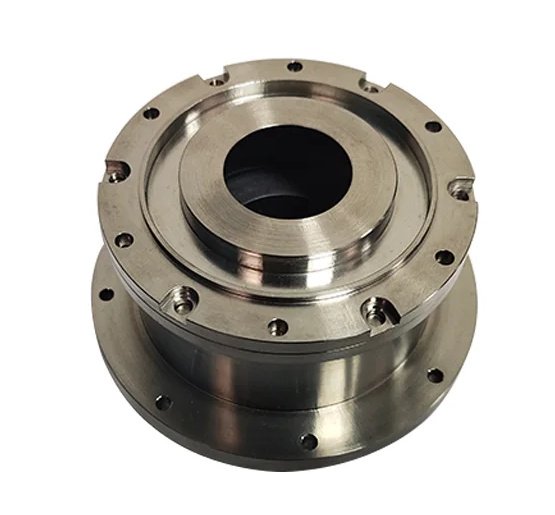
Precision Machining
High Accuracy
Tight Tolerances
Quality Control
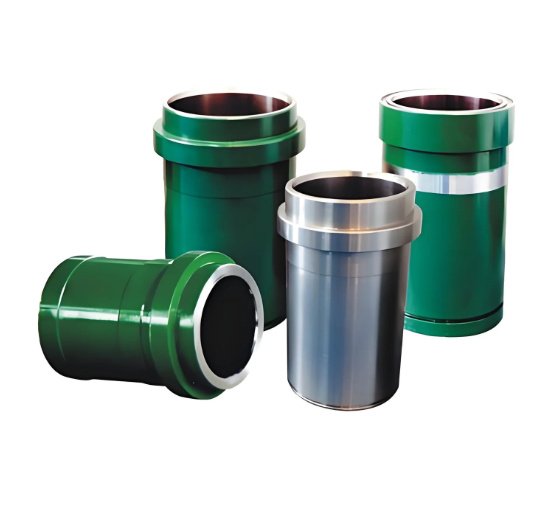
Surface Finishing
Metal surface finishing refers to a variety of industrial processes used to alter the surface of metal parts to achieve desired properties such as improved appearance, enhanced corrosion resistance, better adhesion for coatings, or specific surface textures. Common goals include increasing durability, reducing friction, removing surface defects, and achieving aesthetic appeal. Proper surface finishing significantly improves:Metal Finishing
Popular Finishing
Benefits of Finishing
Common Metal Machining Materials
Metal CNC machining delivers high-precision parts with excellent repeatability. Material choice is critical as it directly impacts machinability, tolerances, cost, and performance. Higher machinability ratings mean easier cutting and better finishes. Aluminum offers the best overall balance, steels provide strength, and titanium excels in demanding uses at higher cost.
| Material | Machinability | Typical Tolerances (CNC) | Common Applications | Notes / Engineering Considerations |
|---|---|---|---|---|
| Aluminum 6061-T6 | Excellent (≈90-100% baseline) | ±0.005" standard (±0.127 mm); tighter ±0.001" possible | Aerospace, automotive, consumer electronics, frames, brackets | Versatile, good corrosion resistance, weldable, lightweight. Excellent all-round choice for prototypes and production. Loses temper in heat-affected zones if welded. |
| Aluminum 7075-T6 | Good (≈70-80%) | ±0.005" standard; ±0.001"-0.002" achievable | Aerospace structural parts, high-stress components | Higher strength than 6061 but more expensive and slightly harder to machine. Prone to stress corrosion cracking in some environments. |
| Carbon Steel 1018 | Good (≈70-80%) | ±0.005" standard | General machinery parts, shafts, gears, jigs | Low cost, excellent weldability and formability. Moderate strength; requires surface treatment for corrosion resistance. |
| Alloy Steel 4140 | Moderate (≈55-70%) | ±0.005" standard | Gears, shafts, high-strength components | Heat-treatable for high hardness/strength. Good fatigue resistance but more tool wear than mild steel. |
| Stainless Steel 303 | Good (≈70-80%) | ±0.005" standard | Food processing, medical, fittings | Free-machining variant of 304. Excellent corrosion resistance. |
| Stainless Steel 304/316 | Moderate-Poor (≈35-45%) | ±0.005" standard; tighter possible with care | Medical, marine, chemical processing, food equipment | Work-hardens rapidly; requires sharp tools, lower speeds, and good coolant. 316 offers better corrosion resistance (esp. chlorides). |
| Brass C360 | Excellent (≈100%+ reference) | ±0.005" or better | Fittings, valves, decorative parts, musical instruments | Outstanding machinability and surface finish. Good conductivity and corrosion resistance. Lead content in free-machining grades. |
| Copper (e.g., C101) | Good (≈80-90%) | ±0.005" standard | Electrical components, heat exchangers | High thermal/electrical conductivity. Soft and gummy; can cause tool buildup. Expensive. |
| Titanium Ti-6Al-4V | Poor (≈20-30%) | ±0.005" standard; requires precision setups | Aerospace, medical implants, high-performance parts | Exceptional strength-to-weight and corrosion resistance. High tool wear, heat generation; needs rigid setups and proper coolant. Very expensive. |
Quality & Precision Assurance
1.1 Multi-Layer Inspection Protocols
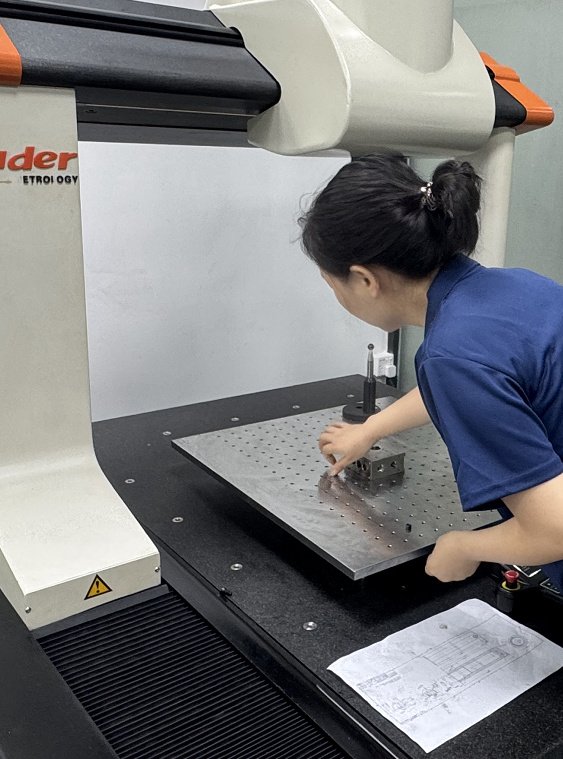
In-Process Monitoring: Real-time dimensional verification using CMM (Coordinate Measuring Machines) and optical comparators at every production stage, ensuring deviations are caught before they cascade downstream.Final Validation: 100% inspection protocols for critical dimensions, with full inspection reports (FAI, PPAP) available upon request.Certified Standards: ISO 9001:2015 and AS9100D certified quality management systems, with NADCAP accreditation for specialized processes like non-destructive testing and fluorescent particle inspection.1.2 Tolerance & Material Traceability
Precision Capabilities: Achievable tolerances down to ±0.01 mm (±0.0004 inches) for precision components, with specialized equipment capable of even tighter tolerances for demanding applications.Full Material Traceability: Complete lot tracking from raw stock to finished part, with mill test certificates and material certifications maintained for every job—critical for aerospace, medical, and defense applications.Surface Finish Control: Ra values controlled to specification via optimized cutting parameters and post-machining finishing processes.1.3 Non-Destructive Testing (NDT) & Documentation
Advanced NDT Methods: Ultrasonic testing, dye penetrant inspection, and CT scanning capabilities to detect internal voids and surface defects without compromising part integrity.Digital Documentation: Complete digital twins and build logs for audit trails, reducing certification time by up to 30% and ensuring regulatory compliance for ITAR and FDA-regulated projects.Failure Analysis: In-house fatigue testing and metallurgical analysis to validate part performance under real-world conditions.
Industries Served
1
Automotive, Electronics & Energy
EV & Automotive
Custom-machined battery housings, transmission components, and drive shafts optimized for thermal management and crash safety in electric vehicles. High-volume production with statistical process control.Consumer Electronics
Precision enclosures, connectors, and micro-components for smartphones, wearables, and IoT devices—supporting miniaturization and rapid design-to-market cycles.Renewable Energy
Wind turbine gearboxes, solar panel frames, and hydroelectric components machined from corrosion-resistant alloys for harsh-environment reliability.2
Aerospace, Transport & Space
Critical Components
Turbine blades, engine housings, landing gear assemblies, and airframe structures machined from titanium, Inconel, Hastelloy, and other superalloys to micron-level precision.Regulatory Compliance
Full AS9100D and NADCAP certifications, with ITAR registration for aerospace contracts. Every component meets exhaustive regulatory compliance and safety standards.Lightweighting Solutions
Hybrid additive/subtractive manufacturing approaches to reduce weight without sacrificing structural integrity—key for next-generation fuel-efficient aircraft.3
Medical Devices & Life Sciences
Biocompatible Precision
CNC-machined orthopedic implants, surgical instruments, and dental components from titanium and stainless steel, achieving micron-level tolerances essential for human-body interaction.Regulatory Rigor
ISO 13485 certified processes with full FDA 21 CFR compliance and complete traceability for every component.Patient-Specific Customization
Integration of CAD/CAM technologies for patient-specific implants and prosthetics, supporting minimally invasive surgical tool miniaturization.Why Engineers & Buyers Work With Us
Engineers and buyers rely on us for tight precision control, reliable quality, on-time delivery, professional technical support, and cost-effective custom metal machining solutions from prototype to bulk orders.
Multi-Axis Capabilities
3-axis, 4-axis, and 5-axis CNC milling and turning centers from world-class manufacturers (Tsugami, Mazak, Citizen, Brother), enabling complex geometries in a single setup.Smart Manufacturing
AI-powered adaptive machining that adjusts tool paths in real-time based on material feedback; predictive maintenance reducing downtime by up to 50%.Hybrid Manufacturing
Integration of CNC machining with 3D metal printing for rapid prototyping and complex internal features impossible with traditional methods alone.Rapid Turnaround
Automated quoting systems deliver instant pricing from CAD uploads; production lead times reduced by 20–30% through intelligent scheduling algorithms.Scalable Production
Seamless transition from prototype (1 piece) to high-volume production (10,000+ pieces) without retooling delays.Scrap Reduction
Advanced nesting and process optimization reduce material waste to under 2% (vs. industry average of 5–8%), directly lowering per-part costs.DFM Collaboration
Dedicated engineering team works with clients from design phase to optimize parts for manufacturability, reducing machining complexity and improving production efficiency.Multi-Location Network
Geographically distributed manufacturing capabilities reduce supply chain risk, improve regional delivery speed, and provide backup production capacity.Transparent Communication
Real-time order tracking, proactive project updates, and full engineering access throughout the production lifecycle—treating every client as a strategic partner, not a transaction.Metal Machining Articles
Curated professional articles covering CNC machining processes, precision manufacturing, material selection, industry applications, quality control and the latest machining technology insights for engineers, buyers and manufacturing professionals.

Threaded Flange
Source ASME B16.5 Threaded Flanges in carbon steel, stainless steel and alloy steel. Precision NPT/BSP threads, full MTCs and project-ready inspection.

Orifice Flanges
Buy precision Orifice Flanges for reliable differential pressure flow measurement. ASME B16.36 compliant, RF/RTJ faces, carbon steel, stainless steel, alloy options, custom machining and inspection

Reducing Flange
Source precision-machined Reducing Flanges for ASME, ANSI, EN and project specifications. Carbon steel, stainless steel and alloy options with MTC, PMI, NDE and custom bore

High Pressure Flanges
High Pressure Flanges for oil, gas, chemical, power and hydrogen systems. Precision-machined ASME, API and EN flanges with traceable materials, tight tolerances and reliable sealing